Montres Breguet
Tradition Collection campaign 2026
Client
:
Montres Breguet
Agency
:
Horde
Production
:
Moedius
Director
:
Baptiste Honorin
Director of photography
:
Romain Do
Stylist
:
Faye Ricchitelli
Context
0%
Problem
0%
Process
0%
Iterations
0%
Outcome
0%
Montres Breguet
Tradition Collection campaign 2026
Label
:
Text
Problem
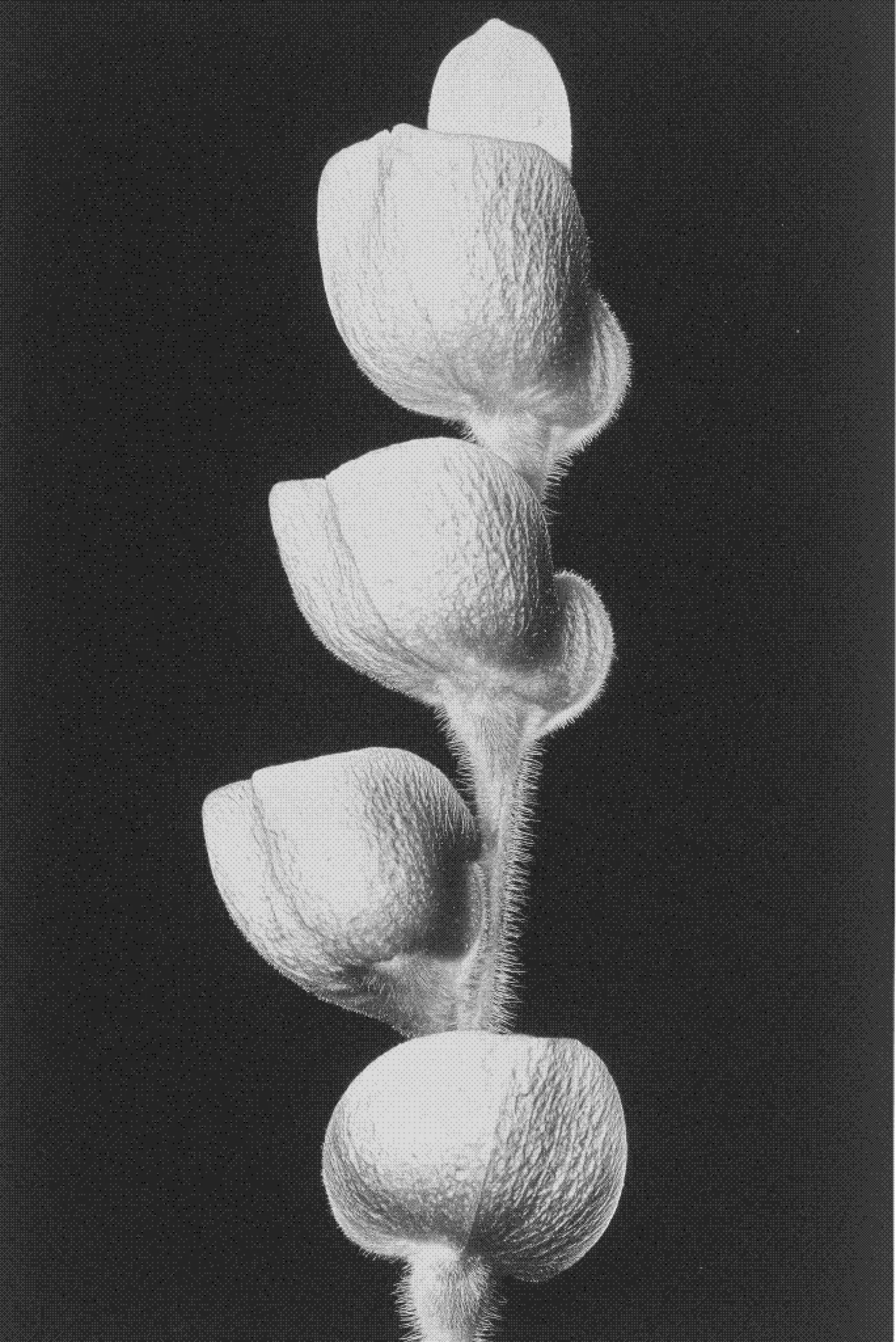
Botanical photography often relies on color and familiar ideas of beauty, leaving the quieter structures of each specimen unnoticed. The challenge was to create an exhibition identity that could reveal these details without turning the work into either decorative imagery or purely scientific documentation. The visual language needed to feel precise yet organic, giving each flower enough space to be observed as a form, texture, and system of its own.

Process
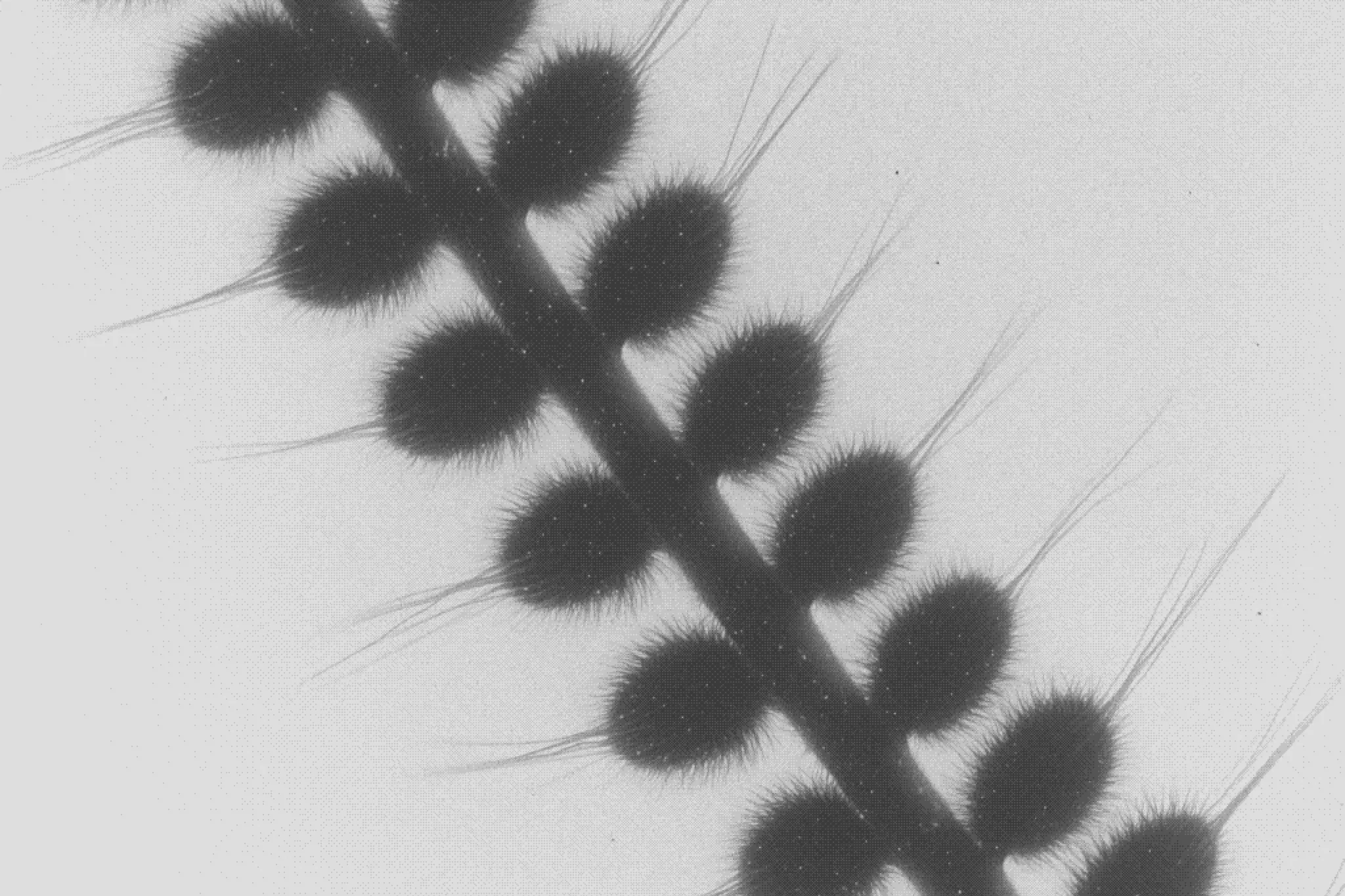
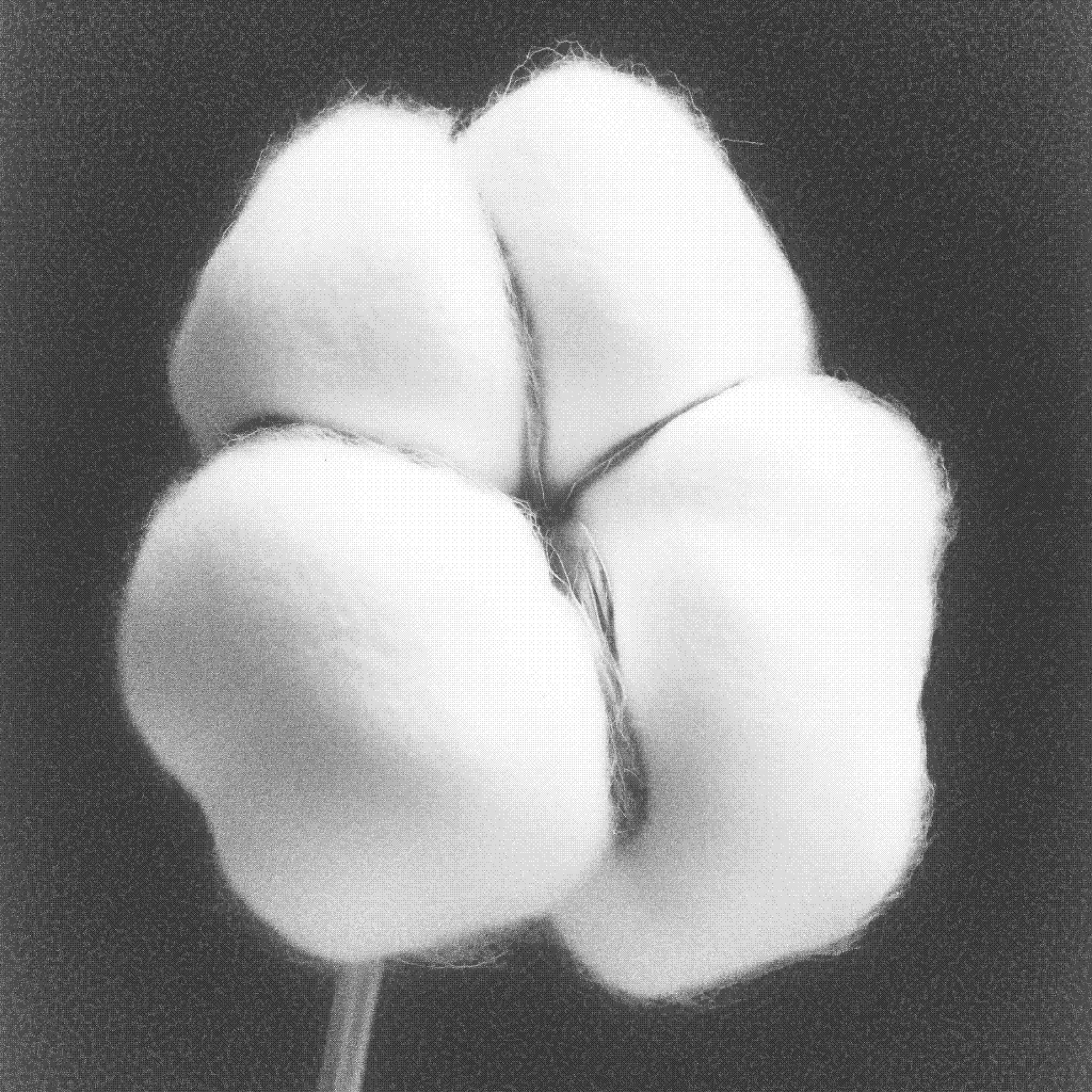
The project began with a close study of flowers, leaves, stems, and seed structures. Each specimen was photographed or scanned in monochrome, allowing shape, translucency, surface, and rhythm to become the primary visual elements. High contrast, controlled lighting, and restrained framing transformed the plants into near-abstract compositions. The resulting images were then arranged as a sequence, balancing intimate details with larger botanical portraits.
Iterations
Different crops, exposures, and tonal treatments were tested to find the right balance between clarity and abstraction. Some versions emphasized scientific precision, while others pushed the images toward softer, more atmospheric forms. The final direction combined both qualities: delicate structures remain visible, but each image retains a sense of ambiguity. Variations in scale and orientation introduced rhythm while keeping the series visually consistent.

Text
Text
Text
Text
Outcome
The result is a cohesive monochromatic image system designed for exhibition and editorial use. Seen together, the works invite slower observation and reveal botanical forms that are often overlooked at first glance. Lumen Flora reframes familiar specimens as unfamiliar landscapes—creating a quiet dialogue between natural science, photographic experimentation, and contemporary visual art.